Key Considerations When Selecting a Palletising Solution
For many manufacturers, palletising is often viewed as the final step in the production process. Products are packed, labelled and prepared for dispatch before being stacked onto pallets and sent to the warehouse. Yet despite its position at the end of the line, palletising can have a significant impact on productivity, labour efficiency, workplace safety and overall performance.
As manufacturers face increasing pressure to improve throughput, reduce manual handling and adapt to changing product demands, palletising is becoming a critical area for automation investment.
However, selecting a palletising system is not simply a matter of choosing a machine. The most successful projects begin by understanding the broader operational challenges that the system is intended to solve.
Every Production Environment Is Different
No two manufacturing facilities operate in the same way. Production rates, packaging formats, floor space constraints and labour availability can vary significantly from one site to another.
A palletising solution that performs exceptionally well in a high-volume beverage facility may not be suitable for a contract manufacturer handling dozens of product changeovers each day. Similarly, a system designed for uniform cartons may struggle when required to manage bags, drums or unstable packaging formats.
For this reason, palletising projects should always begin with a thorough assessment of the production environment rather than the technology itself.
As manufacturers face increasing pressure to improve throughput, reduce manual handling and adapt to changing product demands, palletising is becoming a critical area for automation investment.
However, selecting a palletising system is not simply a matter of choosing a machine. The most successful projects begin by understanding the broader operational challenges that the system is intended to solve.
Flexibility Is Becoming Increasingly Important
Manufacturing has changed dramatically over the past decade. Product ranges continue to expand, production runs are becoming shorter, and retailers increasingly demand customised packaging configurations.
This shift has placed greater importance on flexibility throughout the end-of-line process.
Modern palletising systems are expected to handle multiple product formats, accommodate changing pallet patterns and support rapid changeovers without disrupting production. The ability to adapt quickly is often just as valuable as raw throughput.
Facilities that build flexibility into their automation strategy are generally better positioned to respond to future market demands without requiring major equipment upgrades.
Integration Delivers Greater Value
The effectiveness of a palletising system is heavily influenced by the equipment around it.
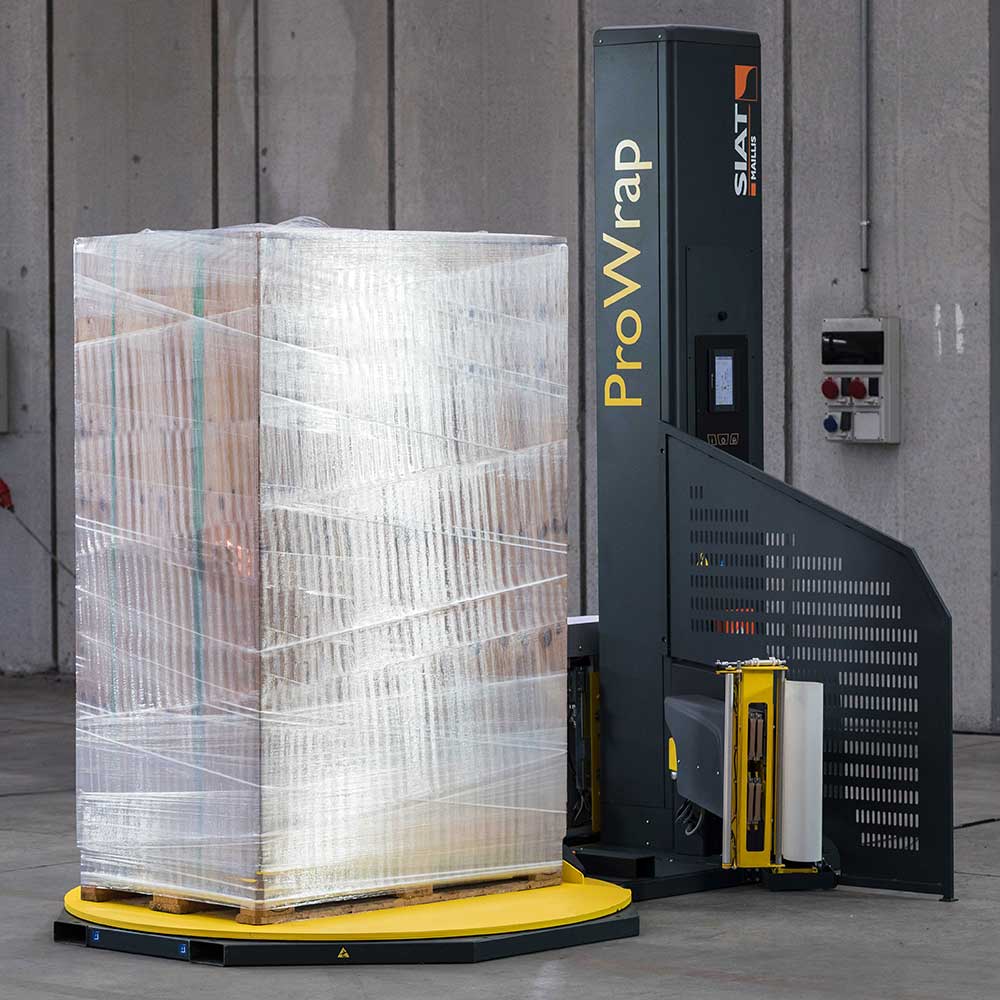
Conveyors, pallet dispensers, stretch wrappers, product handling systems and warehouse interfaces all play a role in determining overall performance. If one area of the line experiences interruptions, the impact is often felt throughout the entire operation.
Taking an integrated approach to end-of-line automation helps reduce bottlenecks, improve visibility and create a smoother flow of products from production through to dispatch.
Rather than viewing palletising as a standalone process, leading manufacturers increasingly see it as part of a connected automation ecosystem.
Supporting Operators Remains Essential
While automation reduces manual handling and repetitive tasks, people remain central to production success.
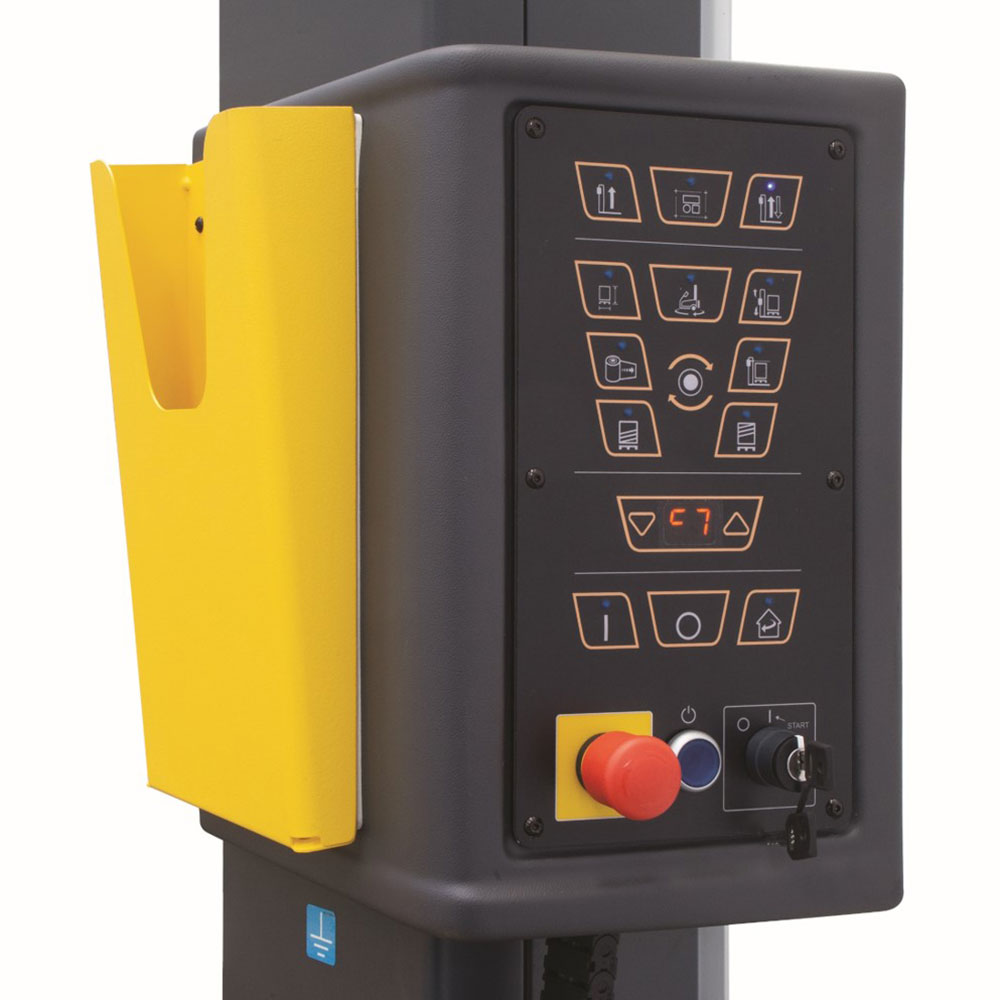
The most effective palletising systems are designed with operator usability in mind. Simple controls, intuitive interfaces and clear diagnostics help reduce training requirements while improving day-to-day operation.
When production and maintenance teams are involved throughout the project lifecycle, facilities often experience faster adoption, improved system performance and greater long-term return on investment.
Planning Beyond Today’s Requirements
A palletising system is typically expected to operate for many years. During that time, product ranges may change, throughput requirements may increase, and additional production lines may be introduced.
Planning for future expansion during the initial design phase can help avoid costly modifications later. Scalable automation platforms allow manufacturers to adapt to changing operational requirements while protecting their investment.
A Long-Term Manufacturing Asset
Ultimately, palletising should be viewed as more than a method of stacking products onto pallets. It is a critical component of the end-of-line process that influences efficiency, safety, labour utilisation and customer service outcomes.
The most successful palletising projects are those that align technology with operational goals, creating a solution that supports both current production requirements and future business growth.
By focusing on the broader manufacturing objectives rather than simply the machine itself, businesses can make more informed automation decisions and achieve stronger long-term results.
Packaging Solutions for Your Production Line
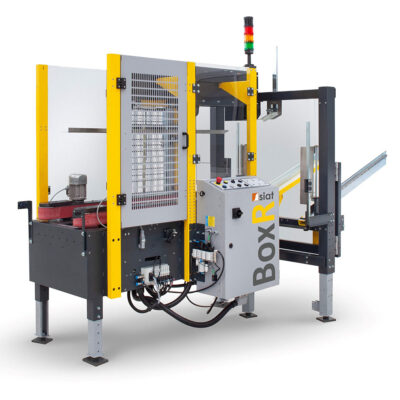
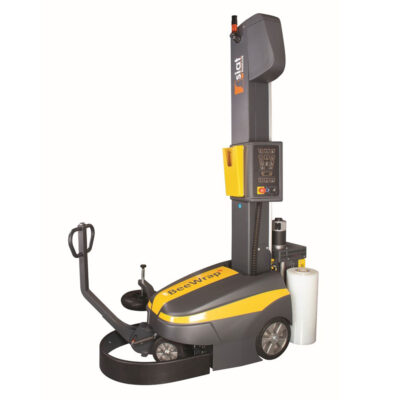
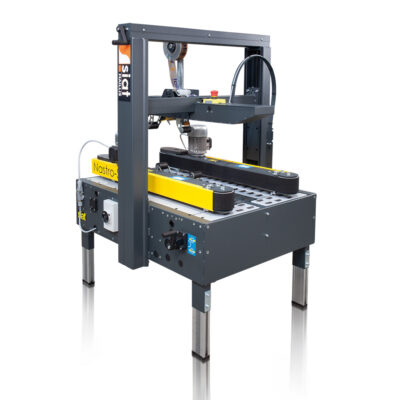
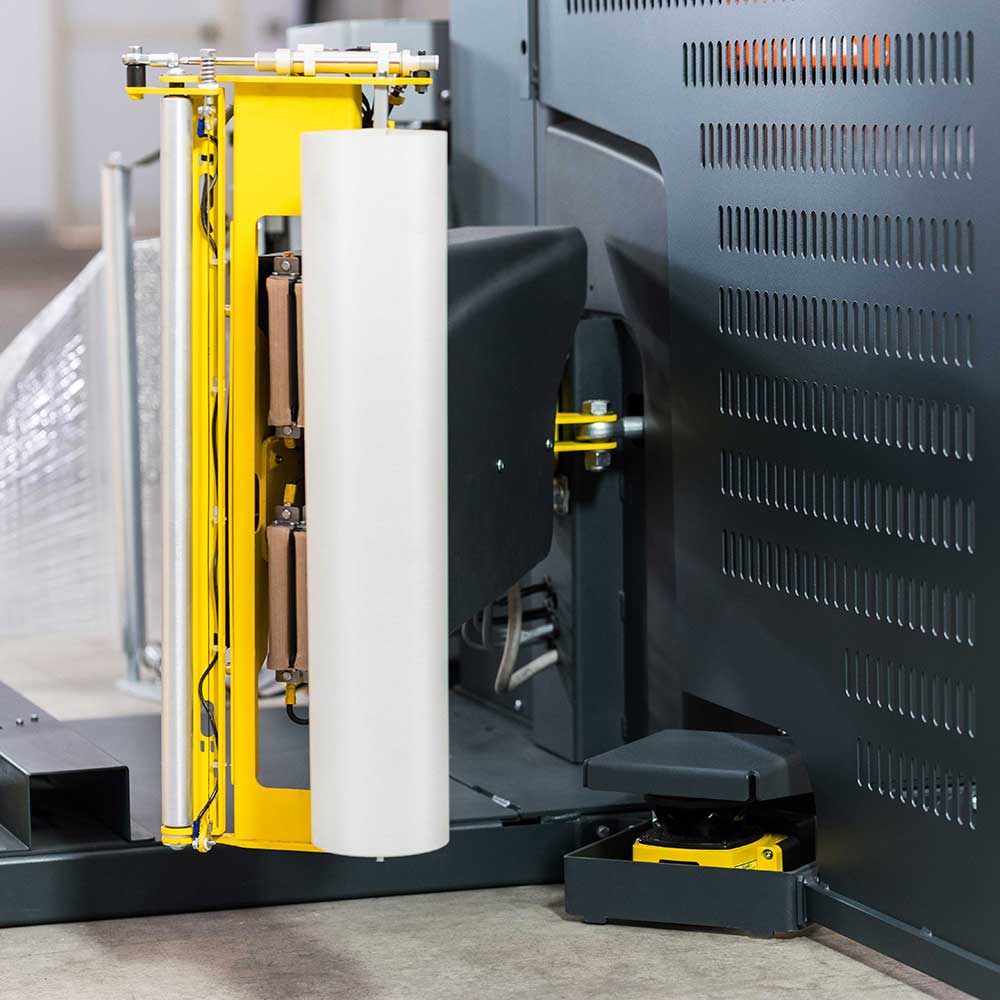
An efficient palletising system performs best when integrated with the right end-of-line equipment. Packserv supplies a range of packaging solutions designed to work together and support a smooth, reliable production flow.
Whether you’re upgrading a single machine or planning a complete end-of-line solution, our team can help you find equipment suited to your production requirements.
Explore Packserv’s range of packaging machinery to find solutions suited to your manufacturing requirements.

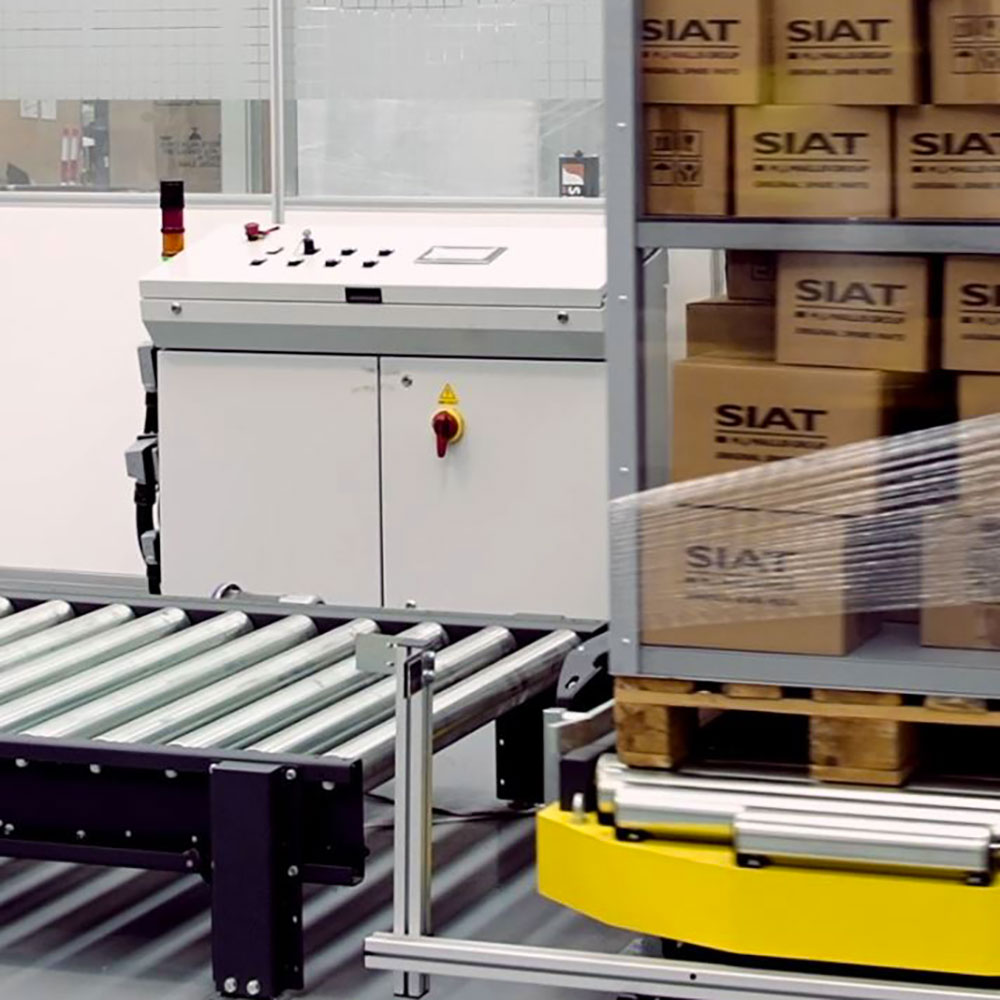

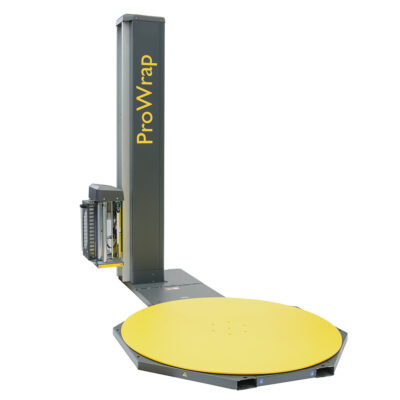
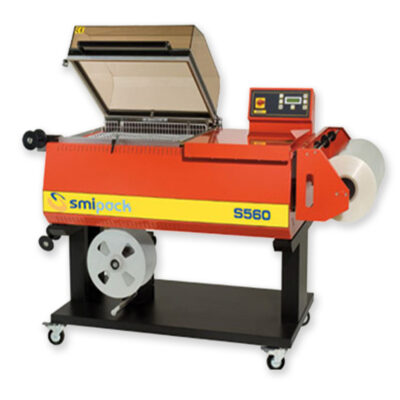
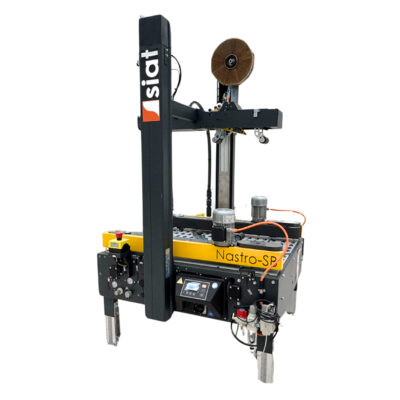
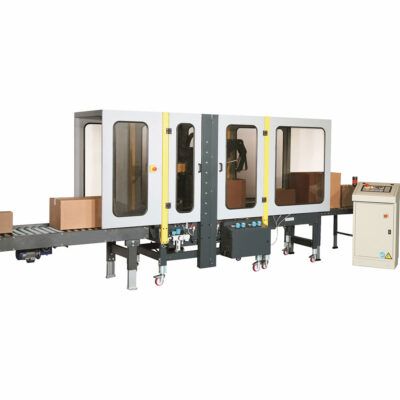
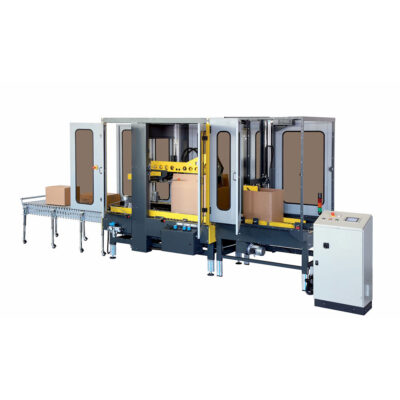
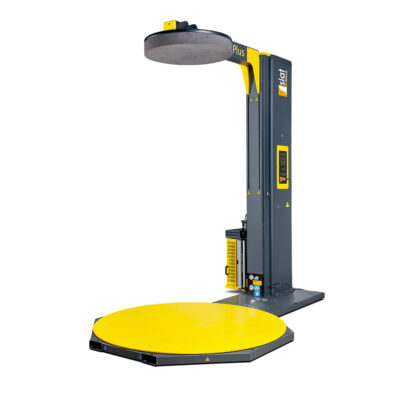
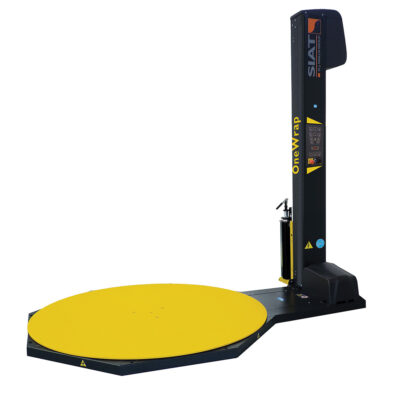
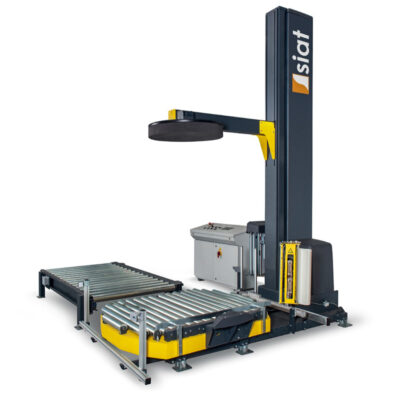
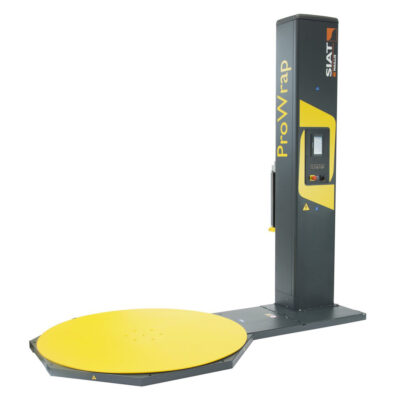
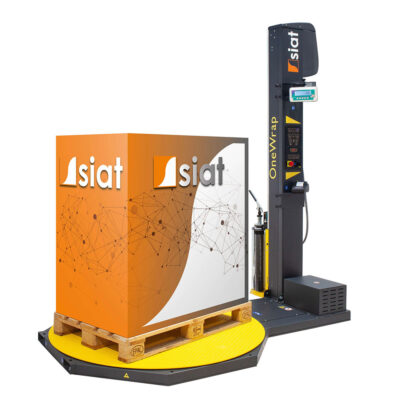 Make: SIATCode: W8-WRAP
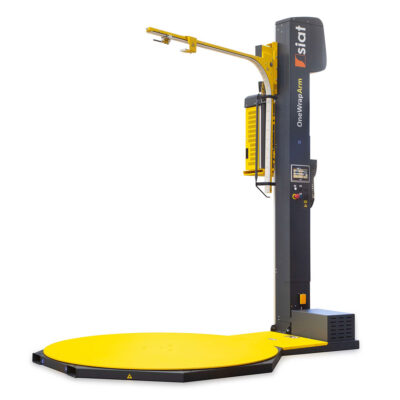 Make: SIATCode: OneWrapArm