
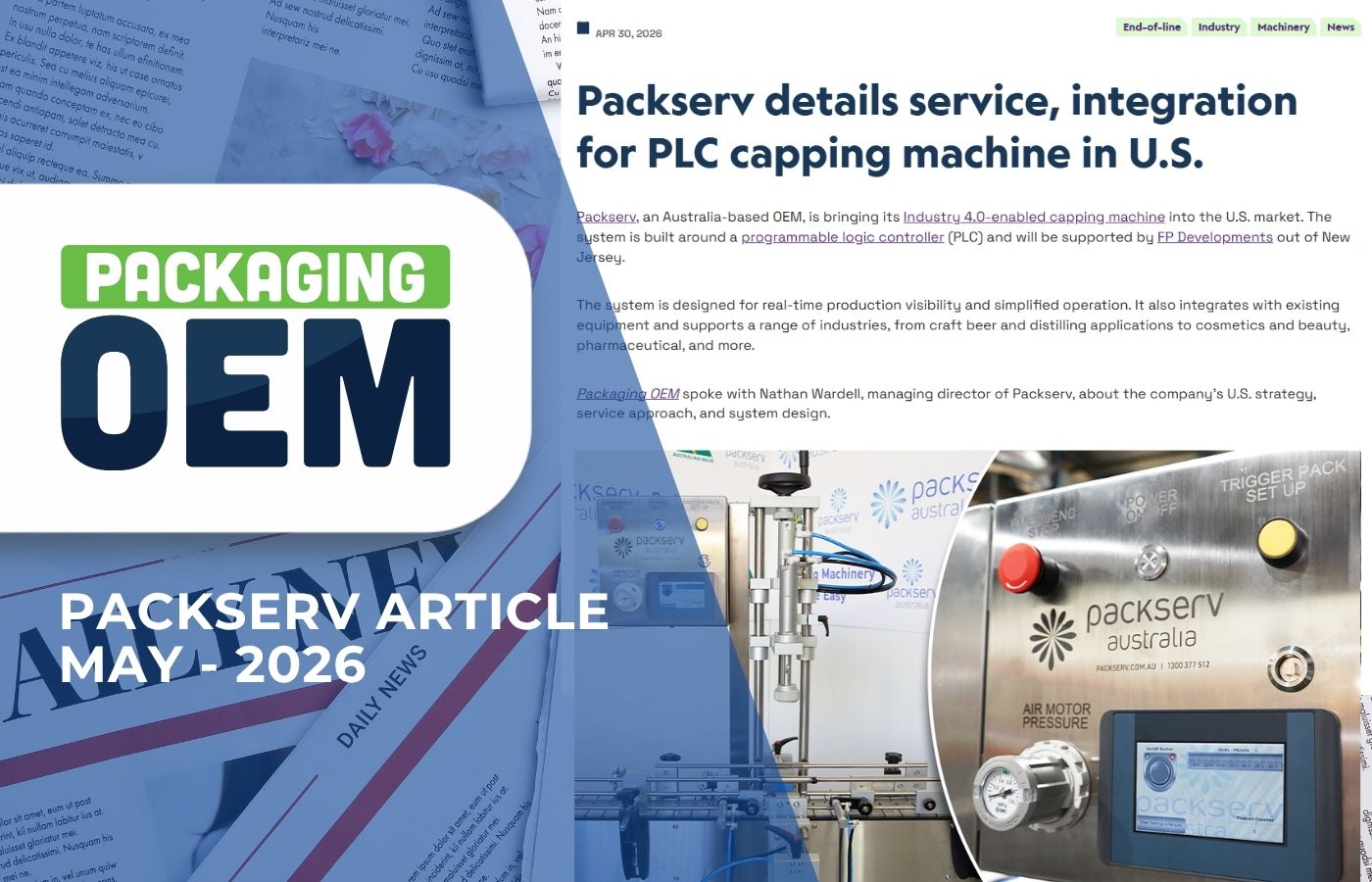
Australian packaging machinery manufacturer Packserv continues to expand its presence in the United States with its Industry 4.0-enabled PLC capping machine, designed to improve production visibility, operational efficiency, and modular integration across packaging lines.
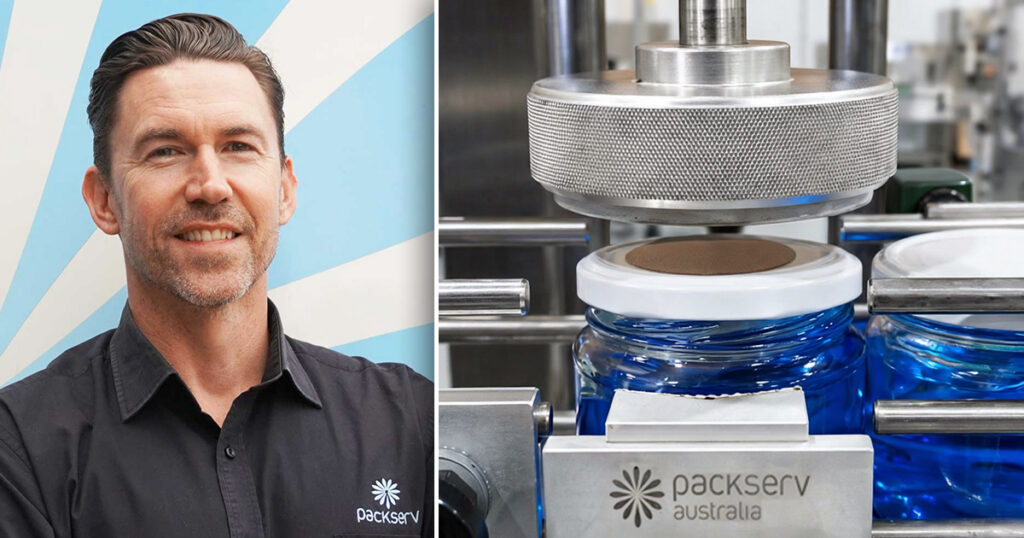
In a recent feature published by Packaging OEM, Packserv Managing Director Nathan Wardell discussed the company’s approach to US technical support, Industry 4.0 connectivity, machine integration, and ongoing system development.
The article also highlights Packserv’s partnership with FP Developments in New Jersey, providing local installation, service support, training, and technical assistance for manufacturers across the United States.
How does Packserv plan to support U.S. customers after installation—through training, remote support, or service contracts?
Wardell: Thanks so much for having us. It’s great to be here and have a chat with you about our new capper. In terms of technical support for customers in the U.S., we have a US-based distributor, FP Developments, based in New Jersey, and it’s great to have local representation and someone who can support our machinery technically when it’s on-site on customer sites in the US. They do offer service contracts and telephone assistance, and they’ve got on-site technicians and on the road.
And so if somebody were to purchase a machine, FP would be able to offer all of that technical support and installation, breakdown coverage, and all that sort of stuff. If somebody were to have a problem with one of our machines and they weren’t local to FP, FP can dispatch technicians, or they also work with service agents in other parts of the US. And so, it’s always good that they’ve actually got that coverage and that they can get out to a client that’s further away.
I would say that they have a five-star support service, and they already have an existing range of machines out in the field, so they’re well-equipped and well-experienced to be able to provide technical support.
From Packserv, the head office in Sydney, we’ve got customers all over the place as well. So when somebody has one of our machines, and they’re a distance away, there’s a number of support tools that they’ve already got access to. So we have our on-site technical support, in which case we can actually dispatch one of our own technicians. Someone can actually give us a call and get a hold of one of our technicians.
And we also have an online training program, so we’ve got a digital portal that we’ve built for training technical staff of our clients’ machines, that’s available 24/7. And so a customer with a problem can actually jump onto our website, go to the digital portal, and they’re able to get access to manuals and guides and videos, how a machine comes apart and goes back together, technical support, and how-to, all of those things are actually already built on a digital platform and are available anytime for customers’ use.
Then, of course, our technicians are available, and there’s also an online store where people can go to actually purchase consumables and anything else that they need for their production environments. So we’ve tried to cover all of those bases already for our local customers around Australia, as much as our international clients, such as the US.
Are there specific industries or product types the capping machine is particularly suited for in the U.S. market?
Wardell: In terms of specific industries or products that our machinery, or the capper, particularly, but our machinery generally, is suited to, we try to engineer the machinery to be like a big adult’s Meccano set. Everything sort of comes apart and goes back together really easily, and it slides in and out of industries as much as it does manufacturing facilities.
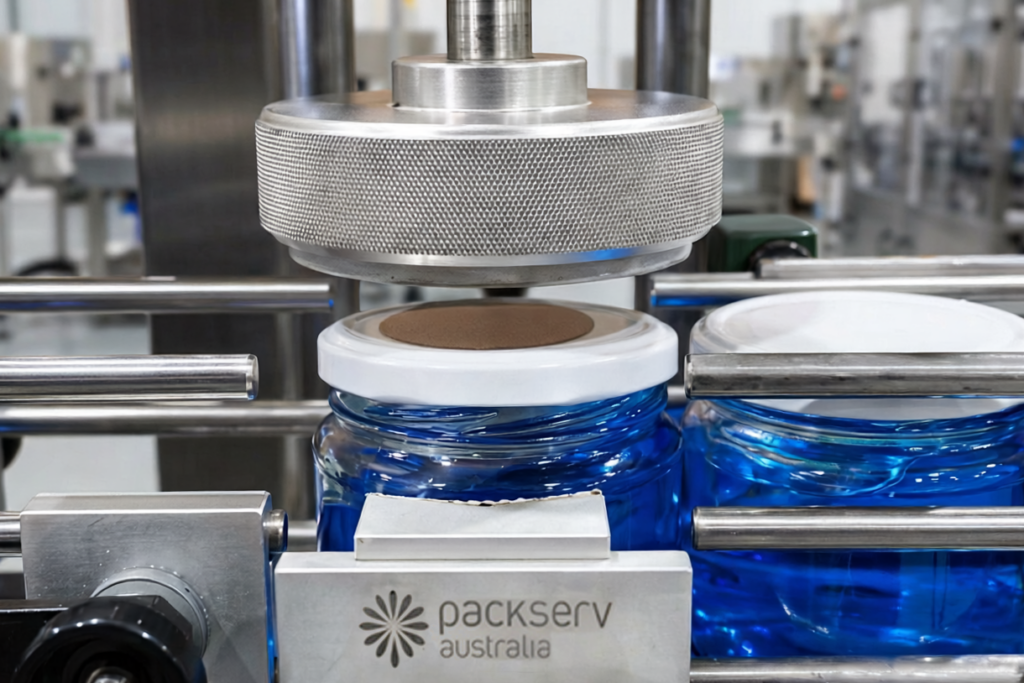
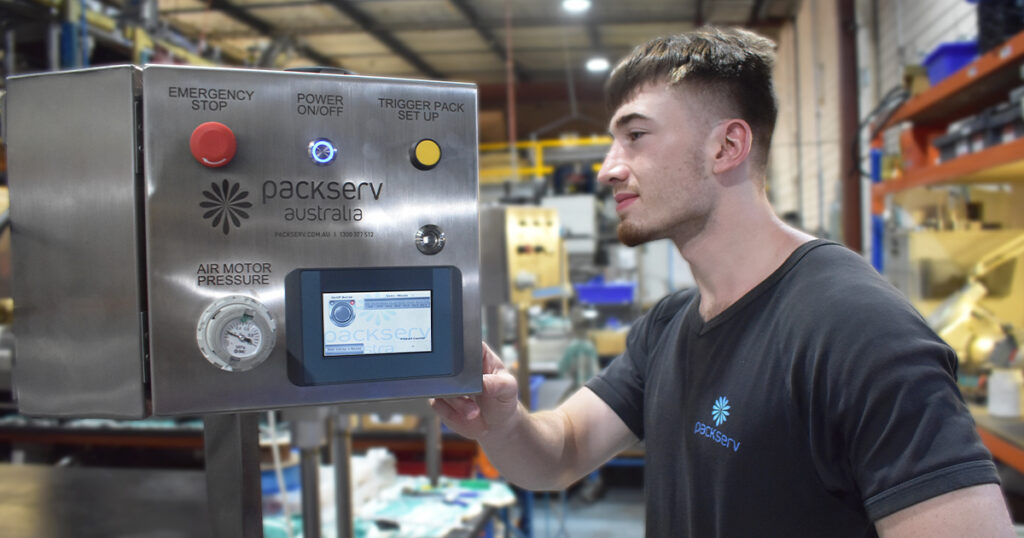
And so whether it’s this digital PLC capper with an HMI touch panel, or one of our fillers or conveyors, all of those things, they’re all suitable for a multitude of different industries. So everything’s made from 316 stainless, and so it does suit, it does already comply with food and pharmaceutical applications.
And so we do a lot of work in food and beverage, pharmaceutical and veterinary, cosmetics and beauty, industrial and chemical, distilleries and craft brewing, and those sorts of applications as well. So the machinery is already engineered to be food and pharmaceutical grade, so it is suitable to go in and out of different industries, and the capper is no different as part of our range.
How does the machine handle regulatory or safety standards that differ between Australia and the U.S.?
Wardell: The regulations between Australia and the US are fairly similar, and so our food regulations are similar to the US, and the same with our TGA or FDA. And so the machinery is designed to meet those standards.
And if somebody needs a machine to be certified for a particular application, then we’re more than happy to work with them through FP to actually accommodate their requirement, because we supply equipment into lots of different industries, but also lots of different regulatory requirements.
So if somebody might be operating a certified organic or HACCP, kosher or TGA or food application or pharmaceutical TGA, then we’ll actually deliver the service and the product suitable for that particular requirement.
And so we’ll work with the customer in terms of what industry and what regulations they have, and make sure that everything is above board and what it is that they’re looking for in terms of putting the machinery into that application. The standards are quite similar, as I said, so it’s really not something that we’ve had a lot of problems with in terms of putting machinery into other countries.
Will the PLC system integrate with other manufacturers’ Industry 4.0 platforms or only Packserv systems?
Wardell: We’ve engineered it to be open source, and so it is easily adaptable to go from one application to another and connect with one machine or a different machine. So we are constantly working on making that process easier and more seamless in terms of the connectivity, cables, communication, the platform that it’s written on, and all those sorts of things.
So it will continue to improve and continue to get better, and we are working with our programming team already for further developing our Industry 4.0 connectivity and platform. So it should become easier and easier to get it to connect to other machines on production lines.
It really comes down to what the other machine is, how old it is, and what platform it’s written on, and we’ll continue to work, as I said, with clients to make sure that becomes easier and easier.
Does Packserv plan to offer upgrades or new features to the machine after it’s deployed in the U.S.?
Wardell: Yes, of course. We’re always developing our machinery and always improving it, and as and when those programs become available, we’ll be making them available to any customers who have a machine that want to have an upgrade.
And so the machinery upgrades that we’re working on, being able to daisy chain a production line by IO blocks, software updates, and new features, optimizing performance and reliability, and keeping the equipment aligned with operational needs.
The priority of Packserv is for the efficient and consistent running of the machines, and clients always receive the most up-to-date information and technical support that we have available for all of those machines, not just with the capper, but with our whole production lines.